Culture · Leila Shirvanifard · 28 June 2026 · 12 min read
The Story of Saffron: Iran's Golden Spice and Its Journey to European Tables
Iran produces over 90% of the world's saffron. Its history stretches back 3,500 years. This is the story of how this precious thread became the soul of Persian cooking.
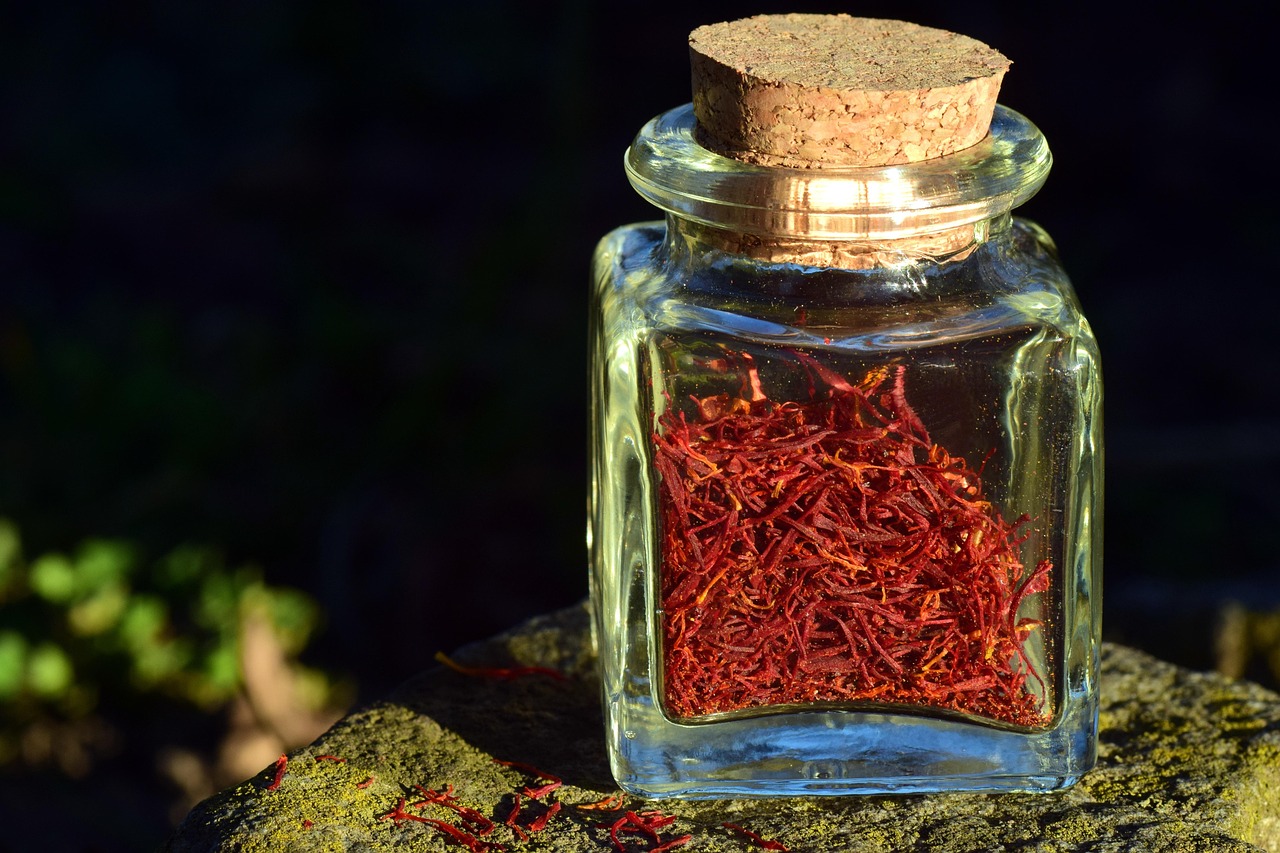
In the fields of South Khorasan province, in the arid high plateau of northeastern Iran, something extraordinary happens every October. For just two to three weeks, the Crocus sativus flower blooms — and within hours of opening, its three crimson stigmas must be hand-harvested before the petals fall.
This is saffron. It takes approximately 200,000 flowers to produce a single kilogram of the spice, which explains why it has been worth more than gold throughout history.
The Persian Origins
The ancient Persians used saffron not just for cooking, but as a medicine, a dye, and a ritual offering. It was woven into royal garments and scattered on the floors of palaces. The word 'saffron' itself likely derives from the Arabic za'faran, which in turn comes from the Median Persian word for gold.
How Saffron Reached Europe
Saffron's journey to Europe is a story of conquest and trade. The Moors brought it to Spain in the 10th century, and Spanish saffron — La Mancha — is today considered one of the world's finest outside of Iran. But Iranian saffron, harvested from the ancient fields of Qaenat and Torbat-e Heydarieh, remains the benchmark against which all others are judged.
Cooking with Saffron
To use saffron properly, it must first be bloomed: grind the threads with a pinch of sugar in a mortar, then dissolve in a small amount of warm water. This releases the maximum colour and flavour. Never add saffron directly to hot oil — the heat destroys its delicate aromatic compounds.
In Persian cooking, saffron appears in rice, stews, ice cream, cookies, and even tea. It is the thread that runs through the entire cuisine — quite literally.